

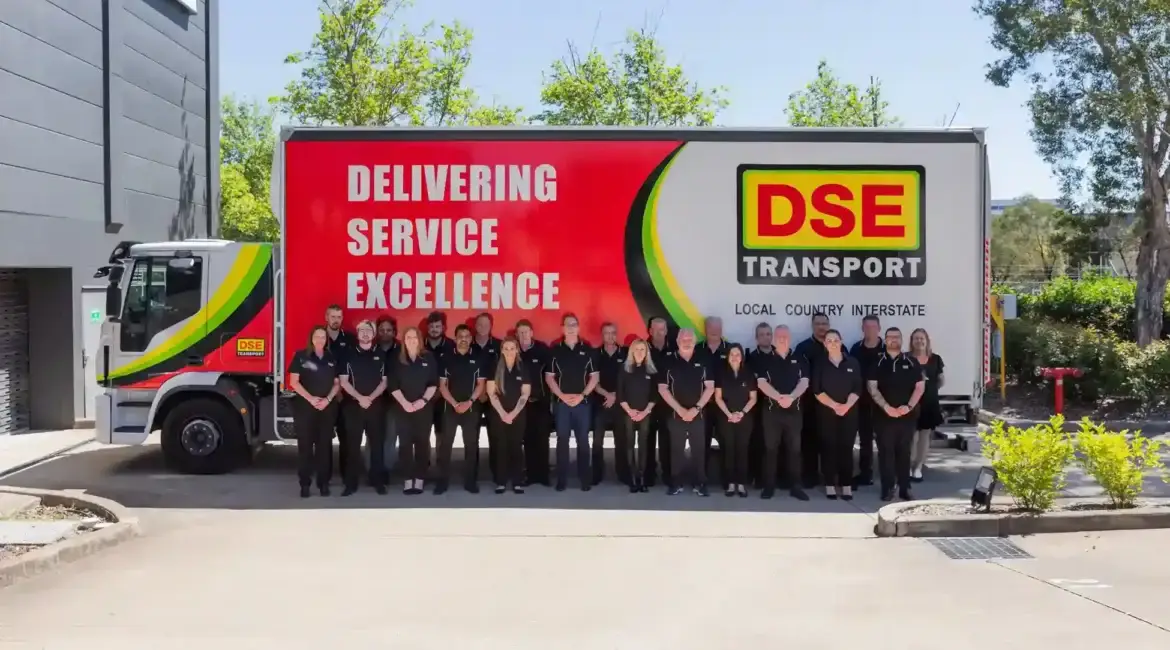
For businesses operating across Australia, freight transport is closely connected to customer service, stock availability and project delivery. A delayed interstate shipment can disrupt production, leave shelves empty or prevent a team from completing work on schedule.
Reliable line haul services help businesses move freight efficiently between cities, states and regional centres without having to manage every vehicle, route and delivery milestone internally.
What Are Line Haul Services?
Line haul transport involves moving freight over long distances, commonly between cities, transport depots, distribution centres and regional hubs. It may form part of a larger freight journey that includes local collection and delivery, or it may operate as a dedicated point-to-point service.
The best transport arrangement depends on the size and type of freight, the collection and delivery locations, site access, loading requirements and delivery timeframe. Some consignments require a dedicated truck, while smaller or less urgent loads may be suitable for a customised less-than-truckload arrangement.
A transport provider should consider these details before recommending a vehicle and scheduling the movement.
Supporting Efficient Interstate Freight
A well-planned line haul service reduces unnecessary handling and provides a more organised way to move freight across long distances. Clear scheduling and suitable vehicle selection can also help minimise delays during loading, transit and delivery.
This is particularly important for businesses transporting:
- Palletised goods and retail stock
- Construction and industrial materials
- Exhibition and event freight
- Large or awkwardly shaped items
- Regular interstate consignments
- Time-sensitive commercial freight
DSE Transport provides line haul services to Australian capital cities and a wide range of rural and regional destinations. Its interstate transport solutions can be arranged for individual consignments, scheduled freight movements and ongoing business requirements.
Matching the Vehicle to the Freight
Selecting the correct vehicle helps protect the load, improve loading efficiency and avoid paying for capacity that is not required.
Smaller consignments may be transported using a light, medium or heavy rigid truck. Larger palletised loads may require a semi-trailer or B-Double, while freight that needs side access can be carried in a Tautliner.
Flattop trucks are suited to large, long or awkwardly shaped freight because they allow more flexible loading and unloading. Crane trucks may also be used when lifting equipment is required at the collection or delivery site.
DSE Transport’s vehicle options include:
- Vans and light rigid vehicles
- Medium and heavy rigid trucks
- Tautliners
- Flattop trucks
- Semi-trailers
- B-Doubles
- Crane trucks
- Specialised and customised vehicle configurations
This range allows the transport solution to be planned around the freight rather than forcing every consignment into the same type of vehicle.
Flexible Options for Different Load Sizes
Not every interstate shipment requires a full trailer. Businesses may need to move a few pallets, a single high-priority item or freight that does not fit a standard transport arrangement.
DSE Transport can provide customised less-than-truckload solutions for suitable consignments, as well as dedicated vehicles for businesses that need exclusive use of the truck. The appropriate option will depend on the freight dimensions, route, urgency and handling requirements.
Providing accurate information when requesting a quote—including dimensions, weight, pallet quantities, site access and loading equipment—helps the transport team recommend a suitable solution.
Why Reliability Matters
Interstate freight delays can affect more than the delivery itself. They can interrupt production, delay installations, create additional storage costs and damage customer relationships.
A reliable transport provider should offer practical scheduling, clear communication and careful coordination from booking through to delivery. Important details may include:
- Collection and delivery timeframes
- Forklift or crane availability
- Loading and unloading access
- Site operating hours
- Freight dimensions and weight
- Proof-of-delivery requirements
- Regional or restricted-access conditions
DSE Transport supports customers through its online platform, where users can place orders, review job information, receive milestone updates and access proof-of-delivery and invoice records.
Experience Across Australian Road Freight
Knowledge of Australian road freight conditions is especially valuable when consignments travel between states or into regional areas. Vehicle access, route restrictions, delivery facilities and local operating requirements can all affect how a load should be planned.
DSE Transport has operated in Australian road freight since 1994 and maintains offices in Sydney, Melbourne, Brisbane, Adelaide and Perth. Its team works with businesses to arrange transport for one-off consignments, regular interstate movements and customised logistics requirements.
Plan Your Next Interstate Freight Movement
Reliable line haul services provide the vehicles, reach and coordination needed to keep freight moving across Australia. Whether the job involves palletised stock, a dedicated full load, exhibition freight or an awkwardly sized item, careful planning can make the movement safer and more efficient.
To discuss your next interstate consignment, contact DSE Transport with the collection and delivery locations, freight dimensions, weight, preferred timing and any loading or access requirements. The team can recommend a suitable vehicle and transport arrangement for the job.